Director of Sustainability:
Badger Music & Arts Festival 2026
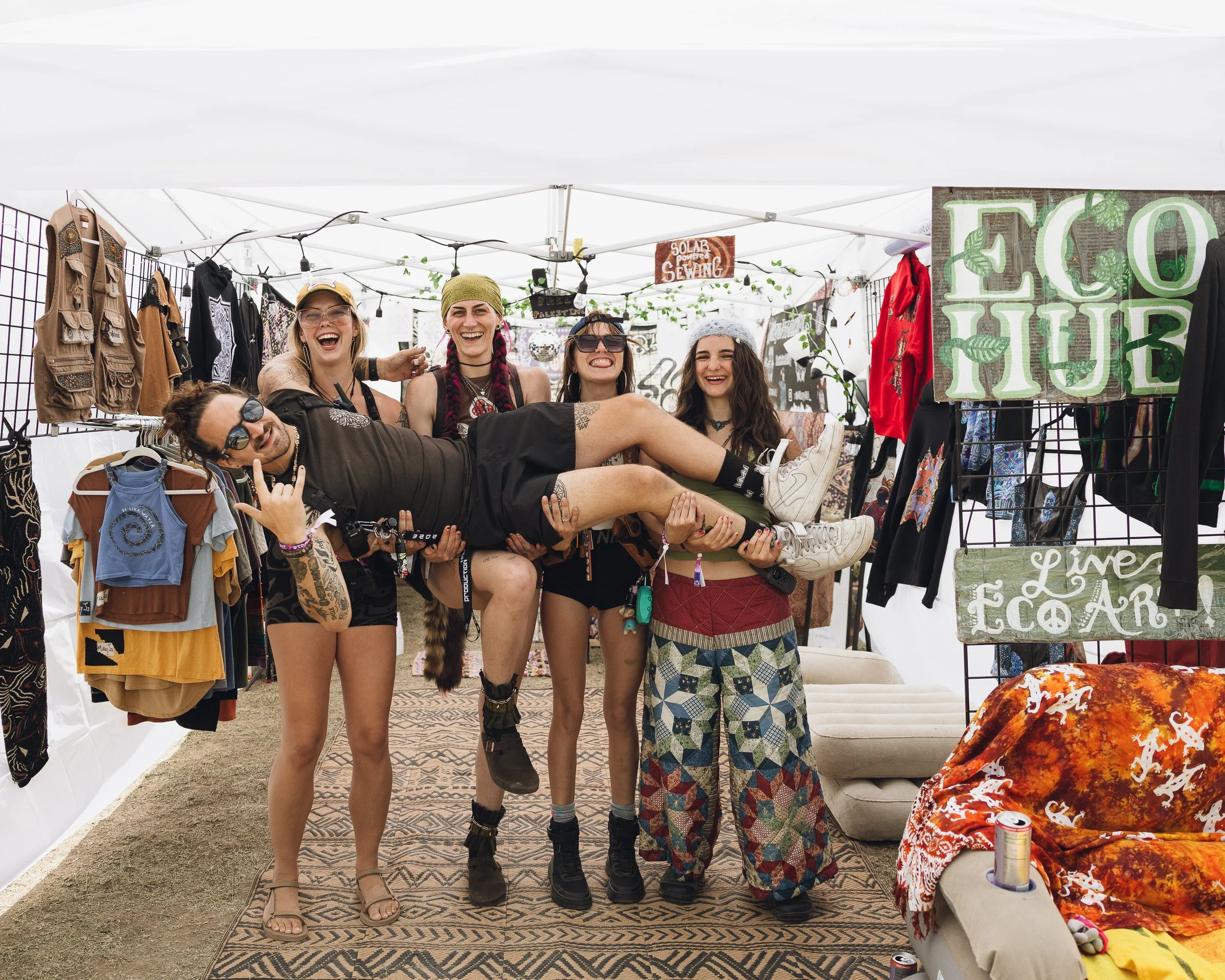
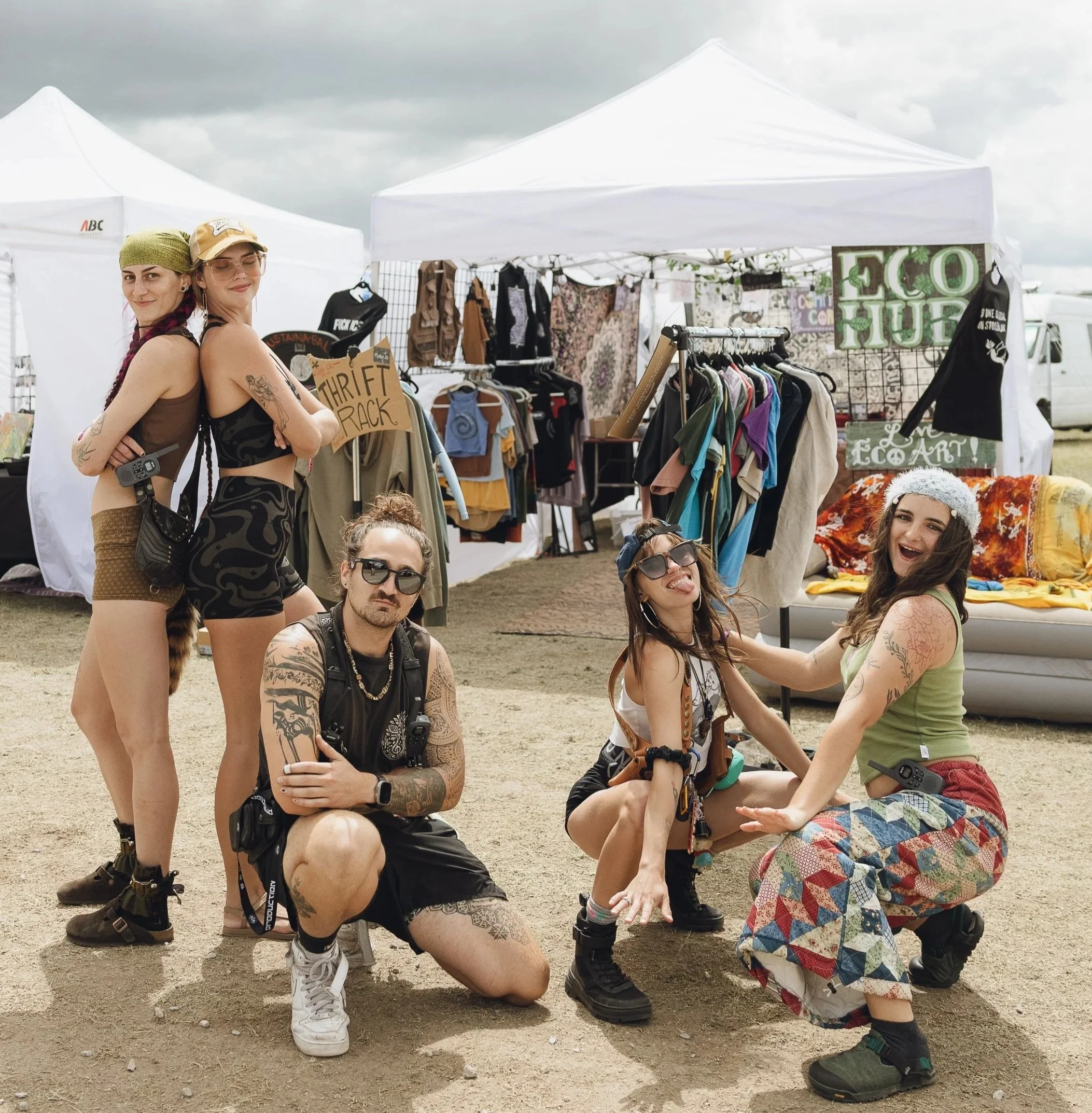
From the beginning, the Badger team genuinely advocated for bringing my sustainability crew and me on board. They didn’t treat sustainability like an afterthought or something to slap onto the festival once everything else was planned. They prioritized our work, gave us space to operate, and trusted us to help figure out what sustainability could look like at Badger.
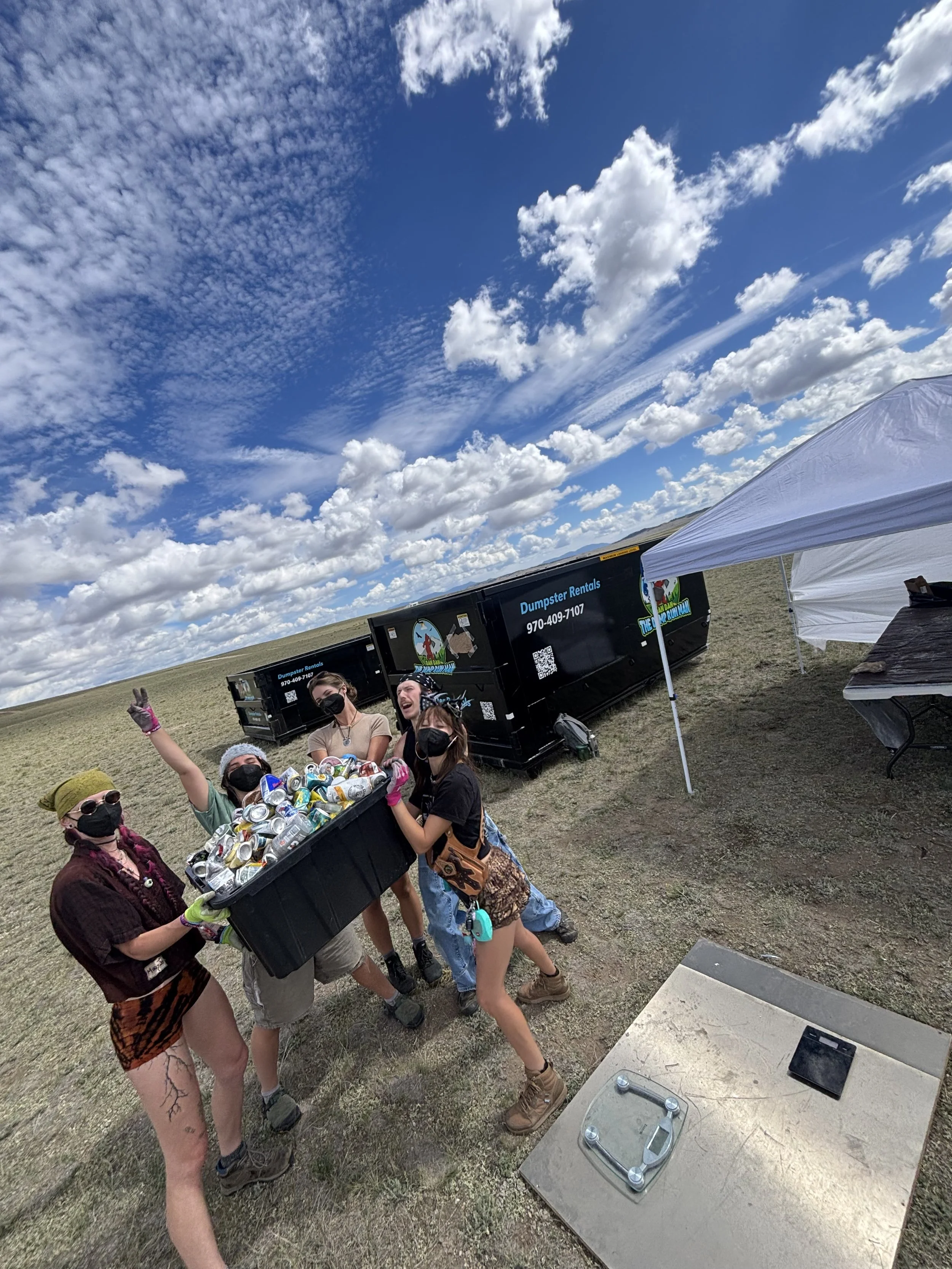
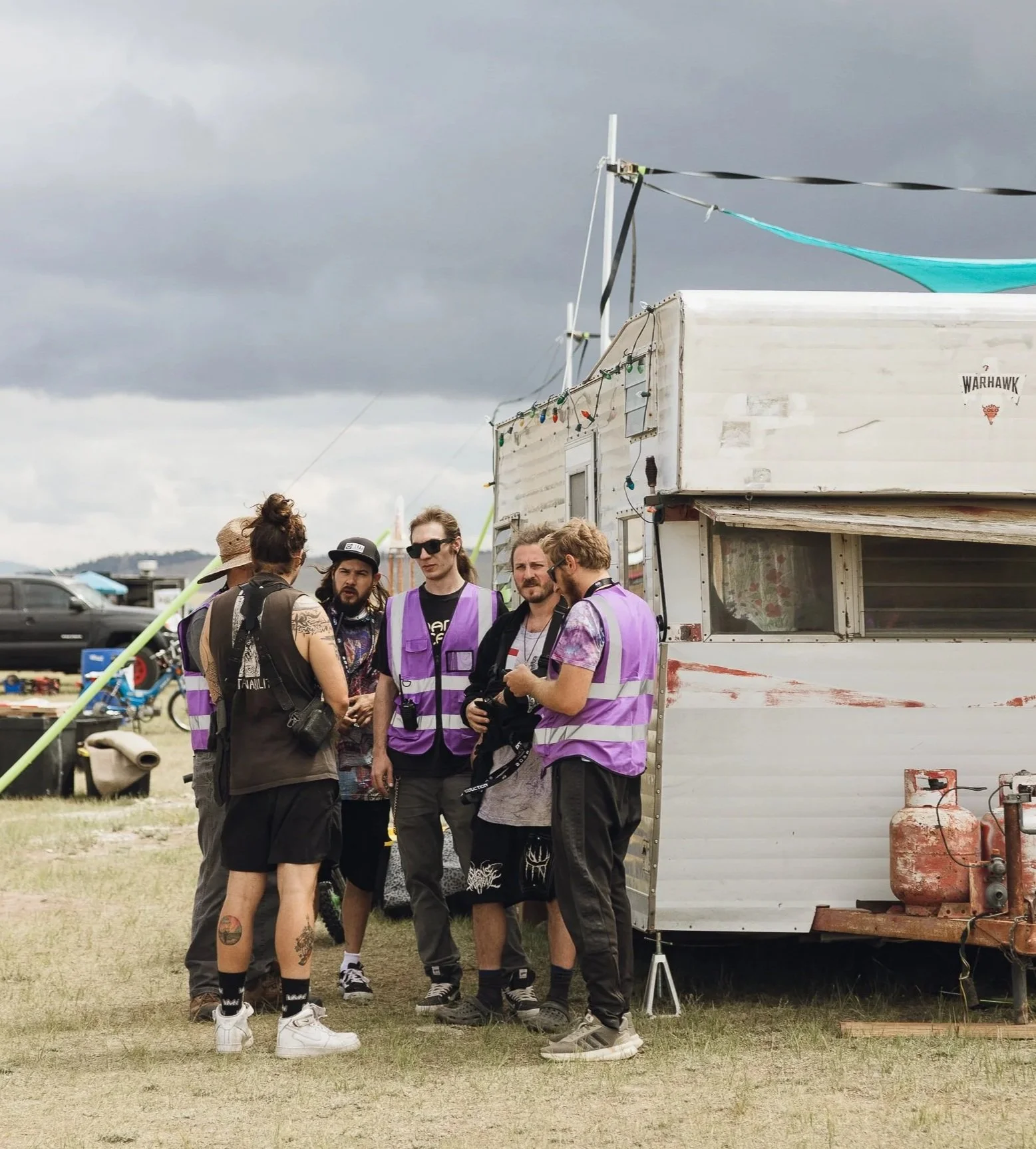
My role centered largely around festival sustainability communications and waste diversion, including coordinating the sustainability team, managing waste streams, sorting materials, and conducting a post-event waste audit to understand where Badger was succeeding and where we could improve.
By the end of the weekend, we had managed 8,142 pounds of festival waste.
Of that:
600 lbs of recycling were diverted with 0% contamination
122.86 lbs of compost were diverted with 0% contamination
722.86 lbs total were kept out of the landfill
Badger finished with an overall 8.9% waste diversion rate
That 8.9% isn't where I want us to stop. In fact, one of the most valuable parts of this first year was getting a real baseline.
Being on the ground showed us exactly where the biggest opportunities are.
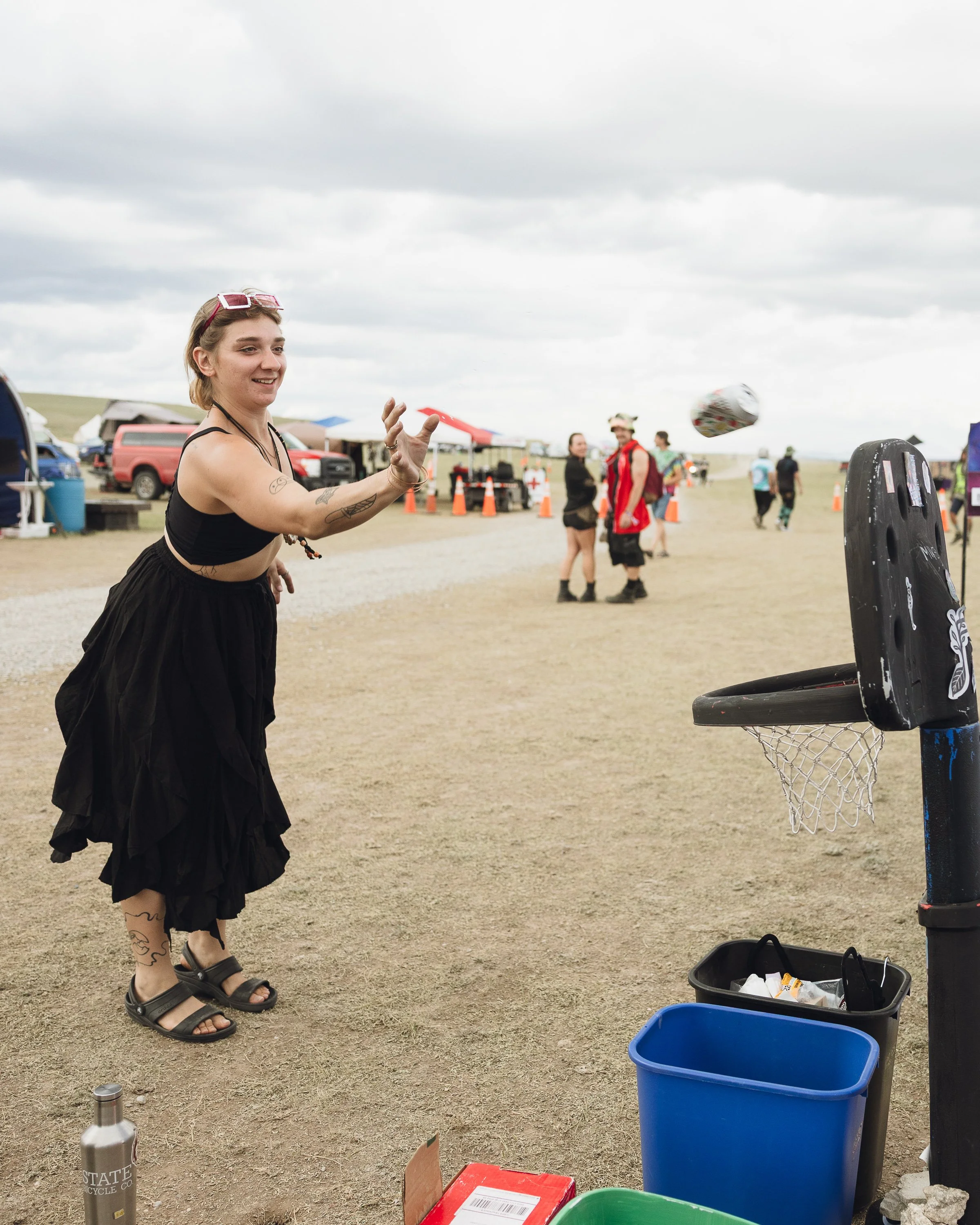
For future years, that means expanding front-of-house waste sorting infrastructure, creating camper welcome kits with trash/recycling/compost bags and clear sorting information, establishing a more structured waste-sorting protocol, improving volunteer scheduling and shift expectations, increasing PPE, and building dedicated teams for both festival operations and the massive final-day sorting and load-out effort.
One of the biggest opportunities is tackling camper waste. A future “Pack Out Your Trash” program could incentivize campers to take responsibility for what they bring in, potentially even turning it into a friendly competition with merch or other prizes for participation.
There are also opportunities to move further upstream and prevent waste before it exists. Access to greywater disposal, for example, could make an on-site reusable dishwashing program possible and dramatically reduce disposable plateware. More water refill stations, better handwashing infrastructure, and stronger coordination with food vendors could further improve both sustainability and the overall festival experience.
But the numbers only tell part of this story.
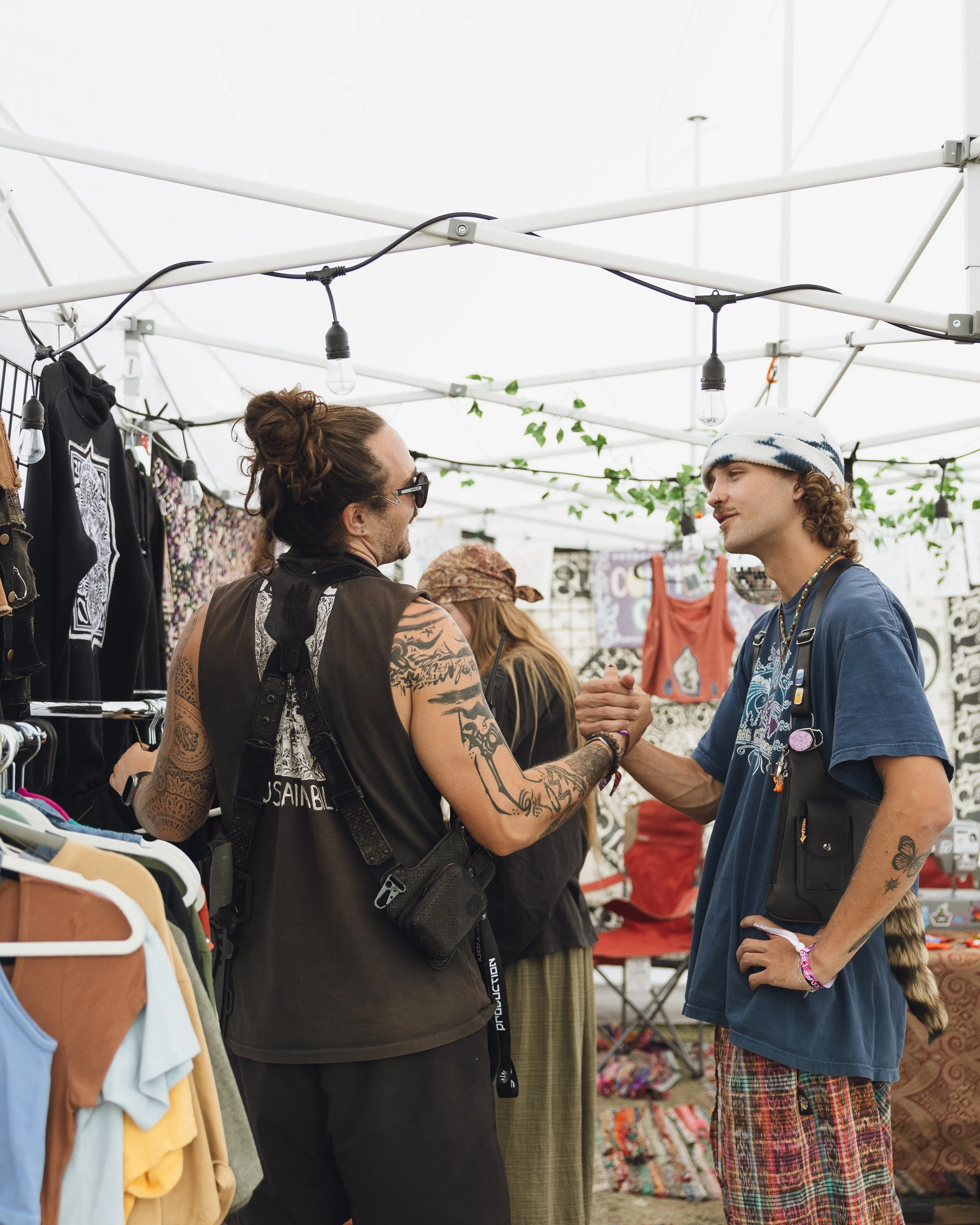
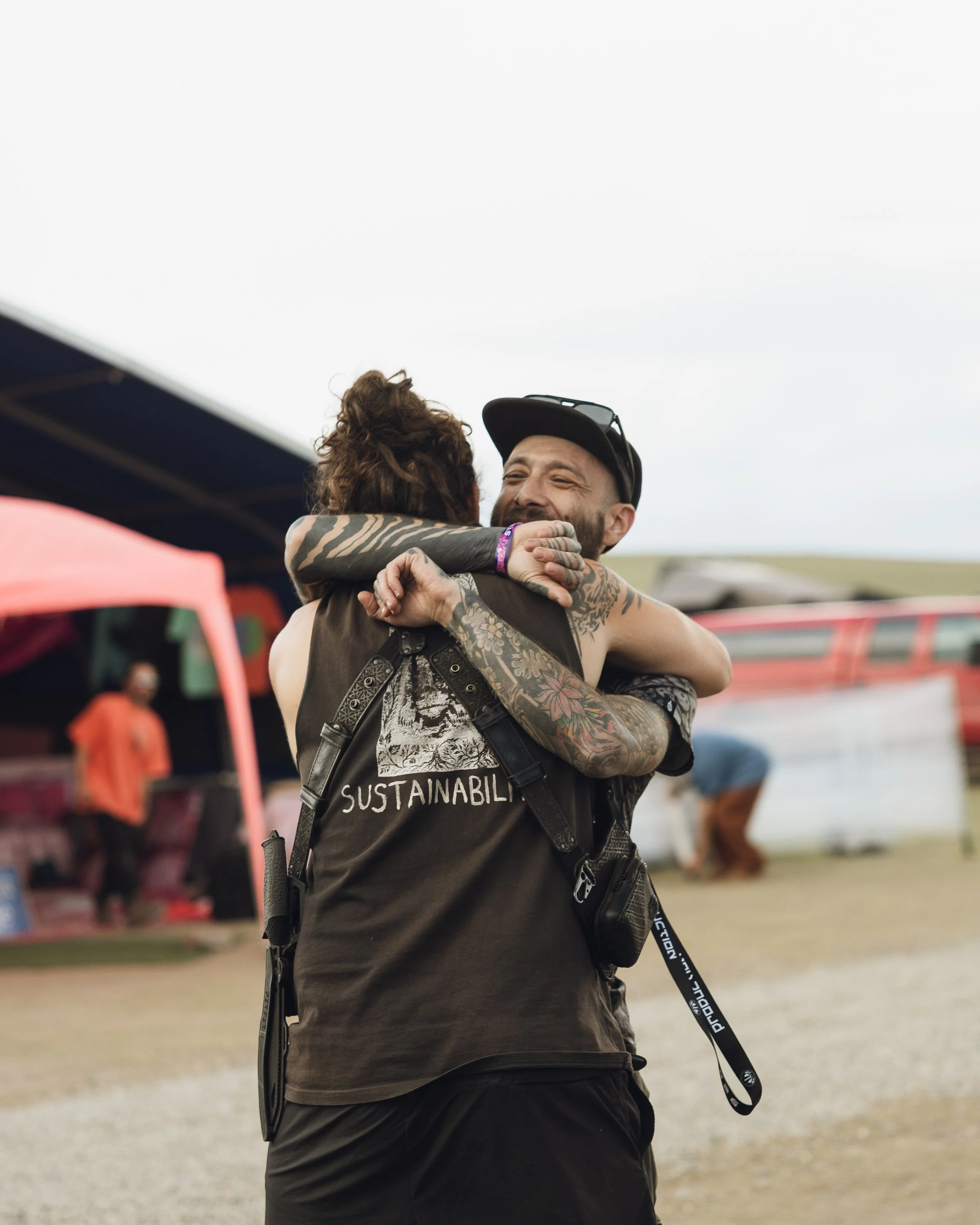
What I’ll remember most about Badger is the community.
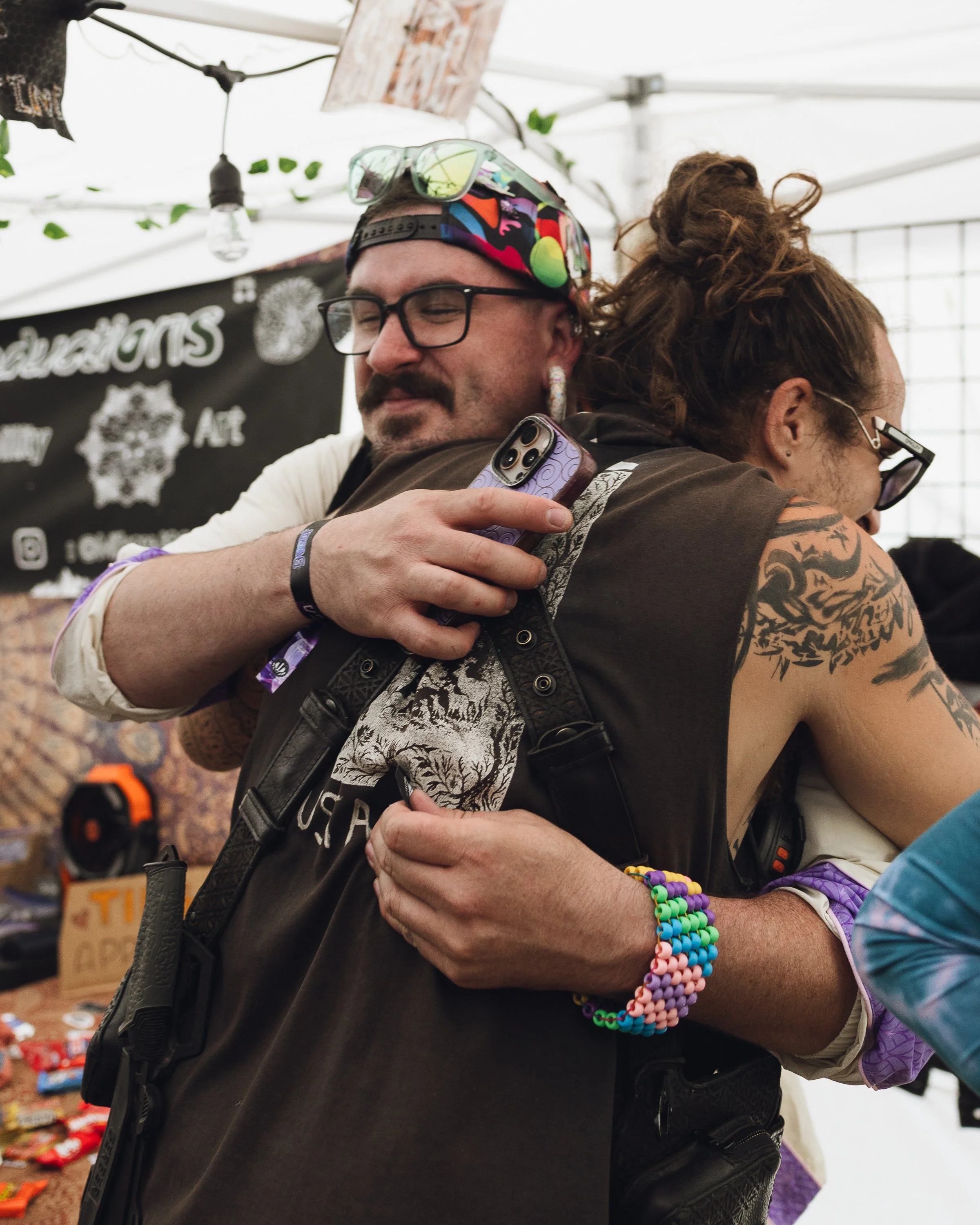
The support from the organizers, the energy of our sustainability crew, and the incredible vibes from the people who make Badger what it is created an environment where this work felt genuinely valued. Sustainability work at festivals can be dirty, exhausting, and very unglamorous… especially when you're staring down thousands of pounds of waste after everyone else has gone home.
Badger Music & Arts 2026 marked a HUGE milestone for me: my first festival serving as Director of Sustainability.
After spending the last few years finding my place at the intersection of music, sustainability, advocacy, and community, this was an opportunity to put all of those pieces together and actually lead sustainability operations on the ground for an entire festival.
And man... this was easily one of the most rewarding and epic gigs I’ve worked yet.
And somehow, I left wanting to do even more of it.
This weekend reinforced exactly why I’ve been working toward a career in music sustainability. Festivals are temporary cities. They bring thousands of people, materials, meals, vehicles, campsites, artists, vendors, and systems together in one place for just a few days. That creates challenges, but it also creates an incredible laboratory for figuring out how we can gather differently.
Badger gave me my first opportunity to lead that work as a Director of Sustainability.
I couldn't be more grateful that they trusted me with it.
Year one gave us the baseline. Now we get to see how far we can push it. 🌎🎶♻️